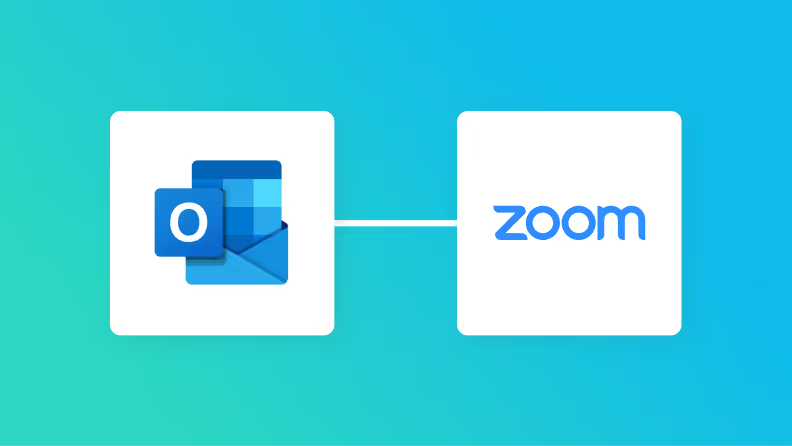








When a lead is registered in Notion, create a meeting in Zoom and send the meeting information to the other party via Outlook.

■Overview
This is a flow where a meeting is created in Zoom and the meeting information is sent to the other party via Outlook when a lead is registered in Notion.
■Recommended for
1. Those who use Zoom for business
・Those who want to set up meetings with leads to drive business deals
・Those who efficiently communicate with multiple companies through remote meetings
2. Those who utilize Notion's database
・Those who use it to register information about client companies
・Those who manage detailed information for meetings
■Benefits of using this template
Zoom is a tool that allows for efficient communication with multiple people by enabling conversations online.
However, manually creating Zoom meetings and contacting the other party when setting up meetings with leads can waste valuable time.
By using this flow, you can automatically create meetings and send issued links when a lead is registered, significantly reducing manual work.
This helps avoid human errors and saves time, leading to improved work efficiency.
Quick meeting setups and communications can also help gain trust from client companies.
■Notes
・Please integrate Notion, Zoom, and Outlook with Yoom.
・You can select the trigger interval from 5, 10, 15, 30, or 60 minutes.
・Please note that the shortest trigger interval varies depending on the plan.
・Microsoft365 (formerly Office365) has both home and business plans (Microsoft365 Business), and if you are not subscribed to the business plan, authentication may fail.








Once the meeting with the company on Zoom is finished, you can create a new board on Miro. By creating a board for the company on Miro, it becomes easier for the team to discuss future sales strategies.
After the Zoom meeting ends, this is a workflow for creating minutes with ChatGPT and sending them to participants via email. By emailing the minutes to participants, information sharing and follow-up can be conducted smoothly.
After a Zoom meeting ends, this flow retrieves the recording information, integrates it with Box, creates a folder, and stores the data. The folder is automatically created after the meeting ends, reducing the effort required for creation. By automating routine tasks, this promotes digital transformation (DX).

This is a flow that is triggered at the end of each month to send an email in Outlook. It can be used for various purposes such as aggregation processing in Microsoft Excel or monthly invoice issuance.
This is a business workflow that automatically adds Outlook email content as notes to HubSpot. By utilizing Yoom's API integration and AI, it reduces manual tasks and streamlines information management.
This is a business workflow that automatically creates a Salesforce case from support request emails received in Outlook. By automatically converting support emails received in Outlook into Salesforce cases, you can eliminate the need for manual input and allocate valuable time to other important tasks.
When there is a response to a Google Form, this flow adds a record to the Notion database. It saves the effort of manually transferring Google Form responses to the Notion database, leading to significant time savings.
You can add content posted in a specific room on Google Chat to a Notion database. This prevents manual information update omissions, enabling real-time information sharing among teams.
You can add content posted in a specific room on Microsoft Teams to a Notion database. Since the posted content can be automatically added to Notion, manual operations in Notion are no longer necessary, allowing for increased work efficiency.
Once the meeting with the company on Zoom is finished, you can create a new board on Miro. By creating a board for the company on Miro, it becomes easier for the team to discuss future sales strategies.

After the Zoom meeting ends, this is a workflow for creating minutes with ChatGPT and sending them to participants via email. By emailing the minutes to participants, information sharing and follow-up can be conducted smoothly.
After a Zoom meeting ends, this flow retrieves the recording information, integrates it with Box, creates a folder, and stores the data. The folder is automatically created after the meeting ends, reducing the effort required for creation. By automating routine tasks, this promotes digital transformation (DX).






This is a flow that is triggered at the end of each month to send an email in Outlook. It can be used for various purposes such as aggregation processing in Microsoft Excel or monthly invoice issuance.
This is a business workflow that automatically adds Outlook email content as notes to HubSpot. By utilizing Yoom's API integration and AI, it reduces manual tasks and streamlines information management.

This is a business workflow that automatically creates a Salesforce case from support request emails received in Outlook. By automatically converting support emails received in Outlook into Salesforce cases, you can eliminate the need for manual input and allocate valuable time to other important tasks.

When there is a response to a Google Form, this flow adds a record to the Notion database. It saves the effort of manually transferring Google Form responses to the Notion database, leading to significant time savings.
You can add content posted in a specific room on Google Chat to a Notion database. This prevents manual information update omissions, enabling real-time information sharing among teams.

You can add content posted in a specific room on Microsoft Teams to a Notion database. Since the posted content can be automatically added to Notion, manual operations in Notion are no longer necessary, allowing for increased work efficiency.

 When a Meeting Is Created (Webhook)
When a Meeting Has Ended
When a Conversation Is Created
When a Meeting Is Deleted (Webhook)
When a Participant Joins a Meeting before the Host (Webhook)
When Recordings for the Specified Host Are Completed (Webhook)
When a Recording Transcript Is Completed (Webhook)
When a Webinar Is Created (Webhook)
When a Webinar Ends (Webhook)
When a Webinar Attendee Submits a Survey Response (Webhook)
When a Webinar Registration Is Created (Webhook)
When a Webinar Registration Is Canceled (Webhook)
When an Attendee or Participant Joins a Webinar (Webhook)
When All Users' Recordings Have Completed (Webhook)
When a Meeting Is Created
When a Message Is Posted in Chat
When a File Is Posted in Team Chat
When a Specific Subject Email Is Received
Get Meeting List
Get Webinar List
Get Webinar Registrants
Get Meeting Recording Information
Add Webinar Registrant
Download Meeting Recording Files
Add User
Delete User
Assign or Remove Licenses for a User
Get User Information
Delete Meeting Cloud Recording Data
Get Conversation Details
Get Meeting Details
Edit Recurring Meeting (Monthly)
Create Recurring Meeting (Monthly)
Create Meeting
Edit Meeting
Create Recurring Meeting (Daily)
When a Meeting Is Created (Webhook)When a Meeting Has EndedWhen a Conversation Is CreatedWhen a Meeting Is Deleted (Webhook)When a Participant Joins a Meeting before the Host (Webhook)When Recordings for the Specified Host Are Completed (Webhook)When a Recording Transcript Is Completed (Webhook)When a Webinar Is Created (Webhook)When a Webinar Ends (Webhook)When a Webinar Attendee Submits a Survey Response (Webhook)When a Webinar Registration Is Created (Webhook)When a Webinar Registration Is Canceled (Webhook)When an Attendee or Participant Joins a Webinar (Webhook)When All Users' Recordings Have Completed (Webhook)When a Meeting Is CreatedWhen a Message Is Posted in ChatWhen a File Is Posted in Team Chat
Get Meeting ListGet Webinar ListGet Webinar RegistrantsGet Meeting Recording InformationAdd Webinar RegistrantDownload Meeting Recording FilesAdd UserDelete UserAssign or Remove Licenses for a UserGet User InformationDelete Meeting Cloud Recording DataGet Conversation DetailsGet Meeting DetailsEdit Recurring Meeting (Monthly)Create Recurring Meeting (Monthly)Create MeetingEdit MeetingCreate Recurring Meeting (Daily)Edit Recurring Meeting (Daily)Create Recurring Meeting (Weekly)Edit Recurring Meeting (Weekly)Delete Specific Cloud Recording Data of a MeetingEnable / Disable User Account and Change Work StatusGet Team Chat Channel ListCreate Team Chat ChannelCreate Team Chat Shared SpaceInvite Members to Team Chat ChannelUpdate Team Chat ChannelCreate Team Chat Mention GroupAdd Members to Team Chat Mention GroupSearch Team Chat Messages and Shared FilesSend Team Chat MessageDelete Team Chat MessageUpload File to Team ChatRetrieve Meeting SummaryRetrieve Webinar Q&AList Meeting ParticipantsGet Meeting Details (Past)
When a Specific Subject Email Is ReceivedWhen an Email Is ReceivedWhen an Event Is Registered in the CalendarWhen a Calendar Event Is Added or UpdatedWhen a Task Is CreatedWhen an Email Is Received
Create an Event in My CalendarCreate a CalendarCreate an Event in a Specified User's CalendarGet Email Attachment InformationDownload Email AttachmentsDelete Event from a Specific User's CalendarUpdate Event in a Specific User's CalendarDelete Event from My CalendarUpdate Event in My CalendarCreate Task (with Reminder Settings)Create a Task (Reminders Not Supported)Search Events in My CalendarSearch Events in a Specific User's CalendarFind Meeting TimesGet Calendar ViewRetrieve Mail MessagesMove MessageRetrieve a Specific MessageSearch Messages in a Specific FolderUpdate MessageFind a Specified User's Free/busy ScheduleRetrieve a Specified User's Calendar ViewRetrieve a Specified Group's Calendar ViewRetrieve a List of Members in a Specified GroupCreate an Event in the Specified Group
When a Page Is Created or UpdatedWhen a Database Is Created or UpdatedWhen Receiving a WebhookWhen a Page Is Created (Webhook)When Page Content Is Updated (Webhook)When a Page Is Deleted (Webhook)When Page Properties Are Updated (Webhook)When a Comment Is Created (Webhook)When a Comment Is Updated (Webhook)When a Comment Is Deleted (Webhook)When a Page in a Specific Data Source Is Created or UpdatedWhen Data Source Content Is Created or Updated (Webhook)
Retrieve Page InformationUpdate Page Property (Text Property)Update Page Property (Number Property)Update Page Property (Select Property)Update Page Property (Multi-select Property)Update Page Property (Date Property)Update Page Property (Checkbox Property)Update Page Property (URL Property)Update Page Property (Email Property)Update Page Property (Phone Property)Retrieve Blocks from a Specific PageRetrieve List of UsersUpdate Page Property (Relation Property)Add a Sub-item to a Specific RecordIssue File Upload IDUpload FileUpdate Page Properties (File Property)Download FileGet Page Details (List File Information)Search Pages and Databases by TitleCreate Page from Template (Title Only)Update Database Property NameUpdate Page Property (Title Property)Search Text in a Data Source’s Formula PropertyAppend Content to a PageRetrieve Child Blocks of a Page or BlockRetrieve Data SourceRetrieve DatabaseCreate PageGet Page (Markdown)Append Content to PageReplace Page ContentUpdate Page Properties (User Properties)Lock a PageRetrieve CommentRetrieve Comments
When a Meeting Is Created (Webhook)
When a Meeting Has Ended
When a Conversation Is Created
When a Meeting Is Deleted (Webhook)
When a Participant Joins a Meeting before the Host (Webhook)
When Recordings for the Specified Host Are Completed (Webhook)
When a Recording Transcript Is Completed (Webhook)
When a Webinar Is Created (Webhook)
When a Webinar Ends (Webhook)
When a Webinar Attendee Submits a Survey Response (Webhook)
When a Webinar Registration Is Created (Webhook)
When a Webinar Registration Is Canceled (Webhook)
When an Attendee or Participant Joins a Webinar (Webhook)
When All Users' Recordings Have Completed (Webhook)
When a Meeting Is Created
When a Message Is Posted in Chat
When a File Is Posted in Team Chat
When a Specific Subject Email Is Received
Get Meeting List
Get Webinar List
Get Webinar Registrants
Get Meeting Recording Information
Add Webinar Registrant
Download Meeting Recording Files
Add User
Delete User
Assign or Remove Licenses for a User
Get User Information
Delete Meeting Cloud Recording Data
Get Conversation Details
Get Meeting Details
Edit Recurring Meeting (Monthly)
Create Recurring Meeting (Monthly)
Create Meeting
Edit Meeting
Create Recurring Meeting (Daily)
When a Meeting Is Created (Webhook)When a Meeting Has EndedWhen a Conversation Is CreatedWhen a Meeting Is Deleted (Webhook)When a Participant Joins a Meeting before the Host (Webhook)When Recordings for the Specified Host Are Completed (Webhook)When a Recording Transcript Is Completed (Webhook)When a Webinar Is Created (Webhook)When a Webinar Ends (Webhook)When a Webinar Attendee Submits a Survey Response (Webhook)When a Webinar Registration Is Created (Webhook)When a Webinar Registration Is Canceled (Webhook)When an Attendee or Participant Joins a Webinar (Webhook)When All Users' Recordings Have Completed (Webhook)When a Meeting Is CreatedWhen a Message Is Posted in ChatWhen a File Is Posted in Team Chat
Get Meeting ListGet Webinar ListGet Webinar RegistrantsGet Meeting Recording InformationAdd Webinar RegistrantDownload Meeting Recording FilesAdd UserDelete UserAssign or Remove Licenses for a UserGet User InformationDelete Meeting Cloud Recording DataGet Conversation DetailsGet Meeting DetailsEdit Recurring Meeting (Monthly)Create Recurring Meeting (Monthly)Create MeetingEdit MeetingCreate Recurring Meeting (Daily)Edit Recurring Meeting (Daily)Create Recurring Meeting (Weekly)Edit Recurring Meeting (Weekly)Delete Specific Cloud Recording Data of a MeetingEnable / Disable User Account and Change Work StatusGet Team Chat Channel ListCreate Team Chat ChannelCreate Team Chat Shared SpaceInvite Members to Team Chat ChannelUpdate Team Chat ChannelCreate Team Chat Mention GroupAdd Members to Team Chat Mention GroupSearch Team Chat Messages and Shared FilesSend Team Chat MessageDelete Team Chat MessageUpload File to Team ChatRetrieve Meeting SummaryRetrieve Webinar Q&AList Meeting ParticipantsGet Meeting Details (Past)
When a Specific Subject Email Is ReceivedWhen an Email Is ReceivedWhen an Event Is Registered in the CalendarWhen a Calendar Event Is Added or UpdatedWhen a Task Is CreatedWhen an Email Is Received
Create an Event in My CalendarCreate a CalendarCreate an Event in a Specified User's CalendarGet Email Attachment InformationDownload Email AttachmentsDelete Event from a Specific User's CalendarUpdate Event in a Specific User's CalendarDelete Event from My CalendarUpdate Event in My CalendarCreate Task (with Reminder Settings)Create a Task (Reminders Not Supported)Search Events in My CalendarSearch Events in a Specific User's CalendarFind Meeting TimesGet Calendar ViewRetrieve Mail MessagesMove MessageRetrieve a Specific MessageSearch Messages in a Specific FolderUpdate MessageFind a Specified User's Free/busy ScheduleRetrieve a Specified User's Calendar ViewRetrieve a Specified Group's Calendar ViewRetrieve a List of Members in a Specified GroupCreate an Event in the Specified Group
When a Page Is Created or UpdatedWhen a Database Is Created or UpdatedWhen Receiving a WebhookWhen a Page Is Created (Webhook)When Page Content Is Updated (Webhook)When a Page Is Deleted (Webhook)When Page Properties Are Updated (Webhook)When a Comment Is Created (Webhook)When a Comment Is Updated (Webhook)When a Comment Is Deleted (Webhook)When a Page in a Specific Data Source Is Created or UpdatedWhen Data Source Content Is Created or Updated (Webhook)
Retrieve Page InformationUpdate Page Property (Text Property)Update Page Property (Number Property)Update Page Property (Select Property)Update Page Property (Multi-select Property)Update Page Property (Date Property)Update Page Property (Checkbox Property)Update Page Property (URL Property)Update Page Property (Email Property)Update Page Property (Phone Property)Retrieve Blocks from a Specific PageRetrieve List of UsersUpdate Page Property (Relation Property)Add a Sub-item to a Specific RecordIssue File Upload IDUpload FileUpdate Page Properties (File Property)Download FileGet Page Details (List File Information)Search Pages and Databases by TitleCreate Page from Template (Title Only)Update Database Property NameUpdate Page Property (Title Property)Search Text in a Data Source’s Formula PropertyAppend Content to a PageRetrieve Child Blocks of a Page or BlockRetrieve Data SourceRetrieve DatabaseCreate PageGet Page (Markdown)Append Content to PageReplace Page ContentUpdate Page Properties (User Properties)Lock a PageRetrieve CommentRetrieve Comments